

The Most Emotional Moment in Memory and Experience: Reflections on the Leadership of Pak Eko
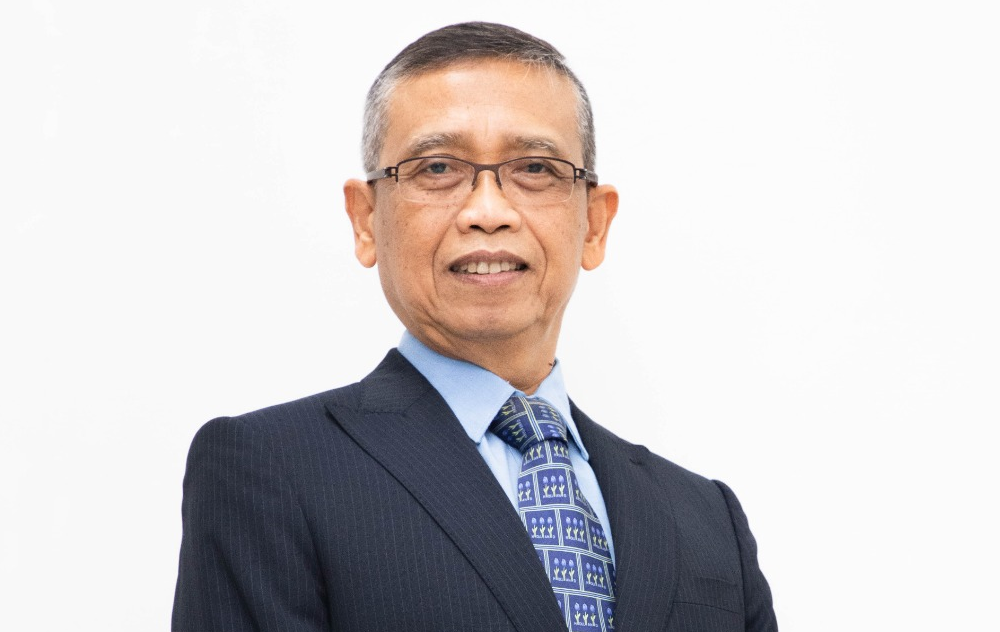
BATAM – This writing may not represent all voices, and this chapter on the merger of Polibatam into UMRAH is chosen because it remains one of the most emotional moments in memory and experience regarding the leadership of Dr. Ir. Priyono Eko Sanyoto.
It is possible that others knew him in different ways, holding on to different memories with equally deep meaning—and that is precisely the strength of his character: living in many stories, in many hearts. Hopefully, more will share their stories, so that we not only remember, but also strengthen one another through the legacy he left behind.
“Amid the Noise, We Finally Understood Who Was Holding the Direction”
The year 2006 was not merely a number in time. It was a phase that, without us realizing it then, was shaping the way we viewed life. We arrived as new students of the 7th cohort, with uncertain steps and simple perspectives, yet with the belief that we were choosing a path toward the future.
We became the first generation to undergo orientation at the new campus in Simpang Franky, Batam Centre, after moving from the old building at Pertamina Tongkang. At that time, the campus was not yet crowded, not yet established, and perhaps not fully ready. Yet it was precisely in that condition that we felt this was more than just a place to study—it was something that was striving to grow.
However, not long after we began to feel that we had “found our place,” the year 2007 brought a wave that shook nearly everything we believed in. News of the merger came: Politeknik Batam, then still a private institution, was merged with STISIPOL Raja Haji Fisabilillah Tanjungpinang to form Universitas Maritim Raja Ali Haji (UMRAH). Almost overnight, we became part of a Diploma (D3) program under the Faculty of Engineering at UMRAH.
For some, it may have been just a structural decision, part of a broader educational landscape. But for those of us within it, it felt like losing something we had not even fully understood yet. There was a sense of uncertainty that was difficult to explain—about identity that suddenly felt blurred, about a future filled with questions, about a direction that seemed to be pulled toward something unfamiliar.
The days that followed were no longer the same. The once quiet campus became filled with voices. Discussions were no longer merely academic; they became spaces to question, to struggle, and to express unrest. Classrooms, corridors, and even the cafeteria became witnesses to a shared feeling—we were not okay.
Voices grew louder, emotions often overtook logic, and some of us stepped forward, trying to become the voice of a restlessness that could no longer be contained. It was not merely student dynamics—it was a phase in which we felt we were defending something important, even if we did not yet fully understand what that was.
And amid that overwhelming noise, one thing stands out most clearly in our memory today: the calmness of a leader. Pak Eko did not raise his voice. He did not respond to pressure with more pressure. Nor did he disappear in the face of difficulty. He remained present, in ways we may not have fully understood at the time. He listened—with a patience we did not yet possess. He responded—without haste and without defensiveness. And most importantly, he stood firm in his position, safeguarding something far greater than simply calming temporary unrest.
While we were busy believing we were right, he was carrying decisions that were far from simple. While we demanded clarity, he was ensuring that those decisions would not compromise the future. While we saw things from our perspective as students, he viewed them from a vantage point we could not yet reach. Perhaps that is why, at the time, not all of us could understand him. Some of us may even have felt we were standing against him. But time has a way of revealing what was once obscured by ego and emotion.
Today, as we look back, what remains is no longer the noise of those debates. It is no longer about who spoke the loudest. What remains is something simple, yet profound: respect.
Because we now understand that not everyone can remain calm when tested from all directions. Not every leader has the courage to choose the quiet path—the path that may not be popular, but is right. And not everyone is capable of holding direction when everything around them pulls in different ways. Ultimately, by 2009, the great dream of The Better Future stood again, continuing to grow into what is now Politeknik Negeri Batam.
Farewell, Pak Eko.
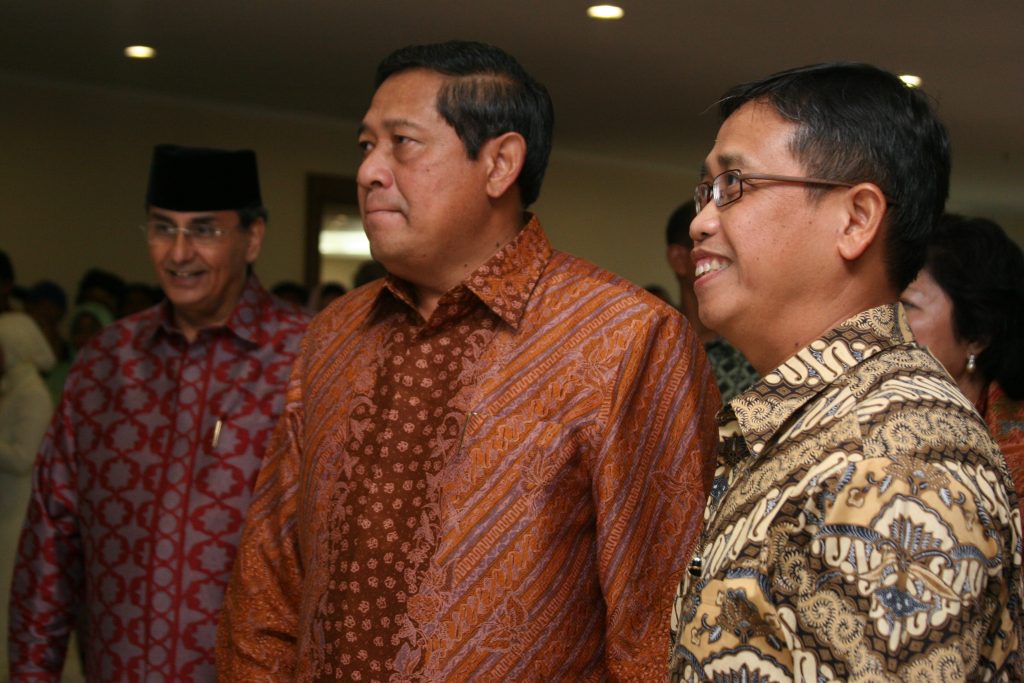
When the news of his passing came, it felt not only like losing a person, but like losing a part of the time that shaped us. The once quiet corridors, the endless discussions, the unrest that once felt so overwhelming—all returned, reminding us that we once lived through those moments. And in every memory, there is always one constant: Pak Eko was always there. Not always in front. Not always visible. But always guiding the direction.
Farewell, Pak Eko.
We believe that no good deed is ever lost. Every intention you held in silence, every decision we may not have understood at the time, has now become part of a legacy that continues to live within us—in the way we think, in the way we act, and even in the way we make decisions in life.
May Allah SWT accept all your deeds, grant you the best place by His side, and make every piece of knowledge and every legacy you left behind a light that continues to shine.
For those of us who grew during that time, may we be granted the ability to continue what you once upheld—to become individuals who are truly meaningful, who work not to be seen, but to make a difference. Because in the end, what truly endures is not who is most visible, but who quietly safeguards the path and leaves behind goodness that lives on even after they are gone.
Author:
Andres Putranta Sitepu
#Polibatam#HumasKerjasamaPolibatam#PakEko#InMemoriam